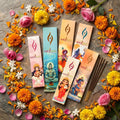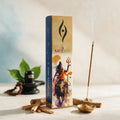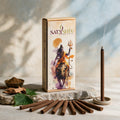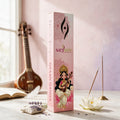

Best Agarbatti for Daily Pooja: A Complete Spiritual and Fragrance Guide
June 22, 2026 • 12 min read
वनस्पतिरसोद्भूतो गन्धाढ्यो सुमनोहरः।
आघ्रेयः सर्वदेवानां धूपोऽयं प्रतिगृह्यताम्॥
"O Lord, this incense is made from the pure essence of forest trees and herbs. It is fragrant and pleasing to all minds. It is offered for the delight of all deities; please accept it."
Yajurveda / Shodashopachara Pooja Mantra
Introduction
Imagine waking up before sunrise during the sacred hours of Brahma Muhurta. As you step into your pooja room, the soft glow of a ghee lamp illuminates the deities. You light an incense stick, and as the fragrant smoke curls upward, the lingering remnants of sleep and daily stress vanish. Your mind settles into a state of quiet focus, ready for connection. The choice of incense isn't just about scent—it is an ancient bridge between the physical and the metaphysical. In this guide, we explore how to select the best agarbatti for daily pooja to transform your home into a sanctuary of peace.
The Spiritual Significance of Incense (Dhupa)
In Hindu worship, the five elements of nature (Panchabhuta) are represented through ritual offerings. Dhupa (incense) represents the element of Air (Vayu) and the vital life force (Prana). As the incense burns, it consumes itself entirely to spread fragrance, symbolizing the ultimate surrender of the ego (Ahankara) to the divine.
Historically, sages and householders alike burned resins, dry herbs, and aromatic woods to purify the air of physical impurities and spiritual disturbances. The aroma functions as a sensory trigger, drawing the scattered mind back to the present moment of devotion.
What Makes an Incense Stick Suitable for Daily Pooja?
When choosing the best agarbatti for daily pooja, consider the following parameters:
| Parameter |
Ideal Standard |
Avoid |
| Material Base |
Natural wood dust, flower powders, resin |
Charcoal, synthetic chemical binders |
| Aroma Quality |
Subtle, calming, natural essential oils |
Heavy, synthetic perfumes that cause headaches |
| Smoke Profile |
Light, clean, white smoke |
Thick, black soot |
| Safety |
Lead-free, non-toxic, bamboo-safe |
Heavy chemical dipping, high toxicity |
पत्रं पुष्पं फलं तोयं यो मे भक्त्या प्रयच्छति।
तदहं भक्त्युपहृतमश्नामि प्रयतात्मनः॥
"Whoever offers Me with devotion a leaf, a flower, a fruit, or water, I accept that offering made with a pure heart."
Bhagavad Gita, Chapter 9, Verse 26
Top Recommended Fragrances for Daily Pooja
Different deities and times of day harmonize with specific fragrances:
- Sandalwood (Chandan): The universal favorite. Sandalwood has a cooling, grounding effect on the nervous system. It is highly recommended for morning prayers and meditation sessions.
- Rose (Gulab): Associated with devotion, love, and the divine feminine. Its sweet, uplifting aroma is ideal for evening poojas.
- Jasmine (Mogra): A vibrant, floral fragrance that represents purity and grace. Excellent for attracting positive household energy.
- Frankincense / Guggal: Rich, earthy resins known for clearing negative energies and purifying the space.
During daily pooja, many devotees prefer natural incense made from traditional ingredients like Tulsi Powder, Marigold Flower Powder, Coconut Shell Powder, and Clove, as these ingredients have long been associated with sacred rituals. SATYSHIV's deity-inspired agarbatti collection follows this philosophy, offering carefully blended natural fragrances designed specifically for home temples.
Scientific Perspective: Mood and Cognition
Olfaction is the only sense directly linked to the limbic system, the emotional control center of the brain. When you inhale natural compounds like linalool (found in floral extracts) or santalol (found in sandalwood), they trigger the release of neurotransmitters like serotonin and dopamine. This helps lower cortisol levels, reducing stress and creating a state of quiet alertness perfect for prayer and reflection.
Step-by-Step Guide to Daily Pooja Incense Rituals
- Cleanse the Space: Ensure the pooja altar is clean and free of clutter.
- Set Your Intention: Before lighting the agarbatti, pause for a moment of quiet reflection or silent prayer.
- Light Safely: Use a match or a candle to light the tip of the incense stick. Let it burn for a few seconds, then gently blow out the flame, leaving a glowing red ember.
- Place in a Holder: Secure the stick in an incense holder to collect falling ash.
- Wave with Devotion: Using your right hand, wave the incense in a clockwise direction before the deities three times, symbolizing the offering of air and fragrance.
Myths vs Facts About Agarbatti
- Myth: Stronger smell means better quality.
- Fact: Very strong, pungent smells often indicate heavy synthetic perfume dipping, which can cause respiratory discomfort. Natural agarbattis have a subtle, warm, and lingering aroma.
- Myth: Charcoal is necessary to keep incense burning.
- Fact: Natural wood dust, coconut shell powder, and resins burn clean and steady without the need for charcoal.
Frequently Asked Questions
1. Which agarbatti is best for daily pooja?
Natural, charcoal-free agarbattis infused with traditional scents like Sandalwood (Chandan), Rose, or Guggal are best for daily pooja.
2. Can we burn agarbatti daily?
Yes, burning natural agarbatti daily is safe and helps create a peaceful, meditative atmosphere in your home.
3. Why should we avoid charcoal agarbatti?
Charcoal burns with a heavier smoke and can release harmful toxins like carbon monoxide when burned in enclosed spaces.
Conclusion
Incorporating the right agarbatti into your daily pooja transforms an ordinary routine into a deeply spiritual experience. By choosing natural, clean-burning ingredients, you respect both your health and the sanctity of your home temple. Let the pure aroma of traditional woods and flowers elevate your daily prayers.
Featured Deity Offering
Gyaan Ganga Agarbatti | 45 Pcs
100% natural, charcoal-free incense crafted for daily pooja. Pure plant-based ingredients for a clean, sacred aroma.
Related Devotional Guides
Best Natural Agarbatti in India
15 min read
Benefits of Burning Agarbatti Daily
10 min read
Spiritual Significance of Hawan Cups
12 min read
About SATYSHIV
SATYSHIV is India's devotional lifestyle brand dedicated to reviving the spiritual meaning behind everyday worship through deity-inspired agarbattis, traditional Hawan Cups, authentic pooja products, original bhajans, Mahabharata storytelling, and spiritual education.
Website: www.satyshiv.com
Best Natural Agarbatti in India: A Guide to Clean and Conscious Devotion
June 22, 2026 • 15 min read
पृथिवी शान्तिः अन्तरिक्षं शान्तिः द्यौः शान्तिः दिशः शान्तिः।
आपः शान्तिः ओषधयः शान्तिः वनस्पतयः शान्तिः॥
"May there be peace on earth, peace in the atmosphere, peace in the heavens, peace in all directions. May the waters, herbs, and forest trees bring peace to all."
Atharvaveda (Shanti Mantra)
Introduction
In many Indian homes, lighting incense is as natural as breathing. However, as our indoor environments become more enclosed, the quality of what we burn matters more than ever. Many mass-market incense sticks are made from charcoal and synthetic chemicals, releasing harmful pollutants into the air. Choosing the best natural agarbatti in India is not just a spiritual choice—it is a conscious commitment to the health of your family and the sanctity of your worship. In this guide, we break down what makes an incense stick truly natural and how to choose the best ones for your home.
The Spiritual Foundations of Natural Purity
In Hindu philosophy, worship (Pooja) is considered a Satvik activity—one that promotes purity, clarity, and truth. According to ancient scriptures, the offerings made to deities must be pure and sourced from nature. Offering synthetic, chemical-laden incense contradicts this principle. By burning pure resins and wood powders, we respect the natural order and invoke a pure, divine energy in our living spaces.
भूमिरापोऽनलो वायुः खं मनो बुद्धिरेव च।
अहंकार इतीयं मे भिन्ना प्रकृतिरष्टधा॥
"Earth, water, fire, air, ether, mind, intellect, and ego—these eight constitute My divided material nature."
Bhagavad Gita, Chapter 7, Verse 4
Understanding the Composition of Incense
To identify genuine natural agarbatti, it is important to understand the ingredients used in manufacturing:
| Component |
Natural Incense (Satvik) |
Synthetic Incense (Tamasik) |
| Base Powder |
Coconut shell powder, sandalwood powder |
Charcoal powder, burning coal dust |
| Binder |
Jigat (natural tree bark paste) |
Synthetic chemical glues and petrochemicals |
| Fragrance |
Pure essential oils, plant resins (Guggal) |
Synthetic aromatic chemicals, phthalates |
| Core Stick |
Bamboo-free or select high-quality wood |
Low-grade treated bamboo sticks |
Why Avoid Synthetic Charcoal Incense?
Synthetic incense sticks are often dipped in cheap industrial oils and perfumes. When burned, they release soot, benzene, and formaldehyde—volatile organic compounds (VOCs) that can irritate the respiratory system, trigger asthma, and cause headaches. Natural, charcoal-free agarbattis, on the other hand, burn clean and offer true aromatherapeutic benefits without polluting your indoor air.
During daily pooja, many devotees prefer natural incense made from traditional ingredients like Tulsi Powder, Marigold Flower Powder, Coconut Shell Powder, and Clove, as these ingredients have long been associated with sacred rituals. SATYSHIV's deity-inspired collection is 100% charcoal-free, made with natural bases and premium essential oils for a clean, non-toxic, and spiritually pure experience.
How to Identify Real Natural Agarbatti
- Color: Natural agarbattis are usually brown, beige, or earthy in color. Jet-black sticks are almost always made from charcoal.
- Texture: They have a slightly rough, powdered texture because they are made from real wood and flower dust.
- Scent: The aroma is warm, woody, and subtle, never sharp or overpowering. It lingers gently in the room long after the stick has finished burning.
Frequently Asked Questions
1. What is natural agarbatti?
Natural agarbatti is made without charcoal, synthetic chemicals, or artificial perfumes. It uses wood powders, plant resins, and pure essential oils.
2. Why is charcoal-free agarbatti better?
Charcoal-free agarbatti releases clean, non-toxic smoke that is safe for your lungs and doesn't cause soot buildup on walls or idols.
3. How can I test if my incense is natural?
Natural incense sticks are typically brown (not black), feel textured, and emit a soft, gentle aroma instead of a sharp, perfumed scent.
Conclusion
Switching to natural agarbatti is a simple but powerful way to align your daily rituals with health and ecological mindfulness. By choosing clean, plant-based incense, you protect your home's air quality and honor the sacred traditions of your ancestors.
Featured Deity Offering
Vighnaharta Agarbatti | 45 Pcs
Made from coconut shell powder, natural tree gums, and essential oils. 100% organic, charcoal-free, and safe to breathe.
Related Devotional Guides
Best Agarbatti for Daily Pooja
12 min read
Why Natural Ingredients Matter
13 min read
Dhoop Sticks vs Agarbatti
9 min read
About SATYSHIV
SATYSHIV is India's devotional lifestyle brand dedicated to reviving the spiritual meaning behind everyday worship through deity-inspired agarbattis, traditional Hawan Cups, authentic pooja products, original bhajans, Mahabharata storytelling, and spiritual education.
Website: www.satyshiv.com
Benefits of Burning Agarbatti Daily: Spiritual, Mental, and Physical Wellness
June 22, 2026 • 10 min read
आघ्राणं सर्वदेवानां धूपोऽयं प्रतिगृह्यताम्।
धूपदानेन विप्रेन्द्र सर्वसिद्धिमवाप्नुयात्॥
"This fragrance is pleasing to all the deities; please accept it. By offering incense with devotion, all spiritual and material success is achieved."
Padma Purana
Introduction
For thousands of years, the sweet aroma of incense has drifted from temple doorways and home altars across India. Burning incense is one of the oldest human practices, serving as a pillar of spiritual devotion and holistic wellness. In our fast-paced modern lives, this simple ritual remains a powerful tool to ground ourselves. From improving focus during work to cleansing your living space of stale energy, the benefits of burning agarbatti daily extend far beyond simple air freshening. In this guide, we explore the multi-dimensional benefits of this ancient practice.
Spiritual Benefits: Invoking the Divine and Clearing Space
In spiritual traditions, burning incense is believed to clear the atmosphere of negative energy (Vastu Dosha) and replace it with positive vibrations. The rising smoke symbolizes our prayers ascending to the heavens. The Srimad Bhagavatam and other Puranic texts highlight Dhupa as one of the essential offerings to the deities. The scent creates an immediate psychological marker that shifts your mindset from mundane worries to sacred focus.
यत्र योगेश्वरः कृष्णो यत्र पार्थो धनुर्धरः।
तत्र श्रीर्विजयो भूतिर्ध्रुवा नीतिर्मतिर्मम॥
"Wherever there is Krishna, the Lord of Yoga, and wherever there is Arjuna, the archer, there will also be prosperity, victory, happiness, and firm morality."
Bhagavad Gita, Chapter 18, Verse 78
Mental & Psychological Benefits: Stress Relief and Focus
- Anxiety and Stress Reduction: Scents like Lavender and Sandalwood act directly on the nervous system to slow down heart rate and lower blood pressure.
- Enhancing Focus: Burning mild woody scents like Cedarwood or Pine during study or work stimulates cognitive clarity and helps prevent mental fatigue.
- Aiding Sleep: Lighting a calming incense stick 30 minutes before bed helps signal the brain that it is time to unwind, promoting deeper, more restorative sleep.
Physical & Environmental Benefits: Clean Air and Repelling Pests
Natural resins like Guggal and Loban contain essential oil compounds with natural antimicrobial and insect-repellent properties. Burning these resins helps cleanse the indoor air of dust mites and harmful bacteria without the need for toxic chemical sprays.
| Fragrance |
Primary Benefit |
Best Time of Day |
| Sandalwood |
Grounding, Meditation |
Morning |
| Rose |
Stress relief, Uplifting mood |
Evening |
| Loban / Guggal |
Air purification, Insect repellent |
Dusk |
| Jasmine |
Alertness, Joy |
Morning / Afternoon |
Aromatherapy: How Different Scents Impact the Brain
Aromatherapy is based on the idea that aromatic compounds can stimulate olfactory receptors, sending direct signals to the amygdala and hippocampus.
During daily pooja, many devotees prefer natural incense made from traditional ingredients like Tulsi Powder, Marigold Flower Powder, Coconut Shell Powder, and Clove, as these ingredients have long been associated with sacred rituals. SATYSHIV's deity-inspired agarbatti collection utilizes these natural botanicals to ensure you receive the true therapeutic benefits of daily aromatherapy.
The Science Behind Incense Inhalation
Clinical studies on incense inhalation show that natural plant resins like Boswellia (Frankincense) contain compounds that can activate specific ion channels in the brain, helping to alleviate depressive-like behaviors. However, this is only true for pure, natural incense. Synthetic, chemical-dipped sticks do not contain these active botanical compounds and can instead cause respiratory irritation.
Frequently Asked Questions
1. What are the benefits of burning agarbatti daily?
Burning natural agarbatti daily helps reduce stress, improves focus, purifies indoor air, repels pests, and supports a peaceful environment for prayer or meditation.
2. Can burning incense reduce anxiety?
Yes, natural essential oils like sandalwood and lavender trigger the release of calming hormones, helping to alleviate anxiety.
3. Is it safe to burn incense inside the house?
Yes, as long as you use natural, charcoal-free incense and maintain proper room ventilation.
Conclusion
Burning natural agarbatti daily is a simple, timeless ritual that brings peace, focus, and health to your home. By integrating pure satvik botanical scents into your morning or evening routine, you create a sacred space that benefits your mind, body, and soul.
Featured Deity Offering
SatyShiv Sacred Trial Collection
Experience the full range of deity-inspired agarbattis in one sacred trial pack. Perfect for discovering your daily pooja favourite.
Related Devotional Guides
Best Agarbatti for Daily Pooja
12 min read
Why Natural Ingredients Matter
13 min read
Spiritual Significance of Hawan Cups
12 min read
About SATYSHIV
SATYSHIV is India's devotional lifestyle brand dedicated to reviving the spiritual meaning behind everyday worship through deity-inspired agarbattis, traditional Hawan Cups, authentic pooja products, original bhajans, Mahabharata storytelling, and spiritual education.
Website: www.satyshiv.com
Bhima Ekadashi Fasting Guide: The Path to Spiritual Elevation
June 22, 2026 • 18 min read
एकादश्यां न भुञ्जीत कदाचिदपि मानवः।
पापानि यानि वै लोके वसन्त्यन्नं समाश्रिताः॥
"A person should never consume food on Ekadashi. All the sins of the world take refuge in grains on this sacred day."
Narada Purana
Introduction
Of all the twenty-four Ekadashis observed throughout the year, the most rigorous and spiritually potent is Bhima Ekadashi (also known as Nirjala Ekadashi or Pandava Ekadashi). Observed during the waxing phase of the moon in the Hindu month of Jyeshtha (May/June), this fast is unique because it is observed without drinking a single drop of water. In this comprehensive guide, we explore the scriptural history, fasting rules, significance, and step-by-step rituals of Bhima Ekadashi.
The Scriptural Origin: The Story of Bhima and Vyasadev
The significance of this Ekadashi is detailed in the Brahmanda Purana. Bhima, the second Pandava brother and a mighty warrior, possessed an insatiable appetite driven by the fire of digestion (Vrikodara). While his brothers Yudhisthira, Arjuna, Nakula, Sahadeva, and mother Kunti observed every Ekadashi fast strictly, Bhima found it impossible to starve. Troubled by his inability to fast, Bhima approached Sage Vyasadev for a solution that would grant him the merits of all Ekadashis through a single observance.
"O learned sage, my family fasts on every Ekadashi, but my hunger is too intense to bear. Is there a single day of fasting that can grant me liberation and wash away all my shortcomings?" asked Bhima.
Sage Vyasadev advised him to observe the Nirjala Ekadashi of Jyeshtha month. By abstaining from both food and water on this single day, Vyasadev promised that Bhima would earn the spiritual merits of all twenty-four Ekadashis of the year.
विश्वे देवाः पितरश्चैव मानुषाः पशुपक्षिणः।
अन्नेन येन जीवन्ति तदन्नं वर्जयेद्दिने॥
"On this day, abstain from grains and foods that sustain living beings, and dedicate your vital energy to spiritual purification."
Mahabharata (Vyasa-Bhima Samvada)
Fasting Rules and Observance Protocol
Because Bhima Ekadashi is a waterless fast, it requires physical preparation and mental resolve. Here is the traditional protocol:
| Phase |
Ritual Action |
Key Instruction |
| Dashami (Day Before) |
Light Satvik Meal |
Eat a simple, grain-free dinner before sunset. Rinse your mouth thoroughly. |
| Ekadashi (Fasting Day) |
Waterless Fast |
Abstain completely from all food and water from sunrise to the next day's sunrise. |
| Dwadashi (Day After) |
Parana (Breaking Fast) |
Offer prayers to Lord Vishnu, distribute charity, and break the fast with water and fruit during the specified Parana time. |
Spiritual Significance and Benefits
Observing Nirjala Ekadashi helps master the senses. By abstaining from water—the essential source of life—devotees demonstrate detachment from physical needs, directing their concentration toward spiritual development.
Scientific studies on dry fasting show that a 24-hour abstinence from food and water triggers cellular autophagy, a process where the body cleans out damaged cells and regenerates new ones, reducing inflammation and boosting immunity.
Step-by-Step Pooja Rituals for Bhima Ekadashi
- Morning Bath: Wake up during Brahma Muhurta and take a purifying bath.
- Altar Preparation: Dress in clean clothes and light a ghee diya before Lord Vishnu's image or idol.
- Pranayama and Meditation: Sit quietly and perform breathing exercises to calm the mind and prepare for the waterless fast.
- Chanting: Chant the sacred mantra "Om Namo Bhagavate Vasudevaya" throughout the day.
- Offerings: Offer fresh yellow flowers, Tulsi leaves, and seasonal fruits to the Lord.
Frequently Asked Questions
1. Why is it called Bhima Ekadashi?
It is named after Bhima, the Pandava brother who observed this difficult waterless fast to make up for his inability to fast on the other Ekadashis of the year.
2. Can we drink water on Nirjala Ekadashi?
The traditional fast forbids water completely. However, children, the elderly, pregnant women, and those with medical conditions should consult a doctor and may consume water, milk, or fruits.
3. How do we break the fast?
The fast is broken on Dwadashi (the day after Ekadashi) by offering prayers and water to Lord Vishnu and drinking a glass of water, followed by fruit.
Conclusion
Bhima Ekadashi is a profound opportunity to test our mental strength and purify our consciousness. By rising above physical hunger and thirst for a single day, we pay tribute to the ancient Pandava warrior and take a major step forward on our spiritual path.
Featured Deity Offering
Gyaan Ganga Agarbatti | 45 Pcs
Deity-inspired, 100% natural incense ideal for Vishnu and Ekadashi pooja. Pure plant-based, charcoal-free, and spiritually uplifting.
Related Devotional Guides
Best Agarbatti for Shiv Puja
11 min read
Mahabharata Lessons for Daily Life
16 min read
Spiritual Significance of Hawan Cups
12 min read
About SATYSHIV
SATYSHIV is India's devotional lifestyle brand dedicated to reviving the spiritual meaning behind everyday worship through deity-inspired agarbattis, traditional Hawan Cups, authentic pooja products, original bhajans, Mahabharata storytelling, and spiritual education.
Website: www.satyshiv.com
Best Agarbatti for Shiv Puja: Invoking the Presence of Mahadev
June 22, 2026 • 11 min read
कर्पूरगौरं करुणावतारं संसारसारम् भुजगेन्द्रहारम्।
सदावसन्तं हृदयारविन्दे भवं भवानीसहितं नमामि॥
"I bow to Shiva, who is as white as camphor, who is the incarnation of compassion, who is the essence of the world, and who wears a serpent as a garland. May He, along with Goddess Parvati, always reside in the lotus of my heart."
Yajurveda (Shiva Yajur Mantra)
Introduction
Lord Shiva, the primordial yogi (Adiyogi), is known for His simplicity. He is pleased not by grand material offerings, but by sincere devotion, a leaf of Bilva, a drop of water, and clean, fragrant incense. In Shiv Puja, the burning of Dhupa holds a deep, mystical meaning. It represents the dissolution of physical form into the formless consciousness of Mahadev. In this guide, we discuss how to select the best agarbatti for Shiv Puja and how fragrance enhances your devotion to Lord Shiva.
The Mystical Significance of Incense in Shiv Puja
Shiva represents the destruction of the ego and the purification of the soul. Incense smoke symbolizes the transient nature of our physical bodies, rising upward to merge with the infinite ether. Traditional texts like the Shiva Purana recommend offering natural resins and woody fragrances to Shiva to create a meditative environment.
ॐ नमः शिवाय।
शिवाय नमः ॐ॥
"I bow to the Lord Shiva, the inner self of all beings."
Shiva Purana / Yajurveda Panchakshari Mantra
Recommended Scents for Shiv Puja
When selecting the best agarbatti for Shiv Puja, choose fragrances that reflect Shiva's ascetic and nature-connected character:
| Fragrance |
Spiritual Correlation |
Vedic Effect |
| Sandalwood (Chandan) |
Cooling paste applied to Shiva's third eye |
Calms the mind, lowers nervous tension, aids meditation |
| Loban (Benzoin Resin) |
Pure Himalayan forests, temple smoke |
Purifies the air, repels negative energy, creates a temple-like feel |
| Karpura (Camphor) |
Shiva's pure, bright form |
Refreshes the atmosphere, enhances mental clarity |
| Guggal (Indian Bdellium) |
Ancient Vedic fire offerings |
Clears mental blocks, purifies the home, builds focus |
Devotional Ingredients: Bamboo-Free and Charcoal-Free
Because Lord Shiva is associated with nature and asceticism, using incense made from pure, organic ingredients is essential. Traditional agarbattis dipped in synthetic chemicals can pollute the space you are trying to purify. Choosing charcoal-free and bamboo-free incense ensures a clean, Satvik offering to the deity.
During daily pooja, many devotees prefer natural incense made from traditional ingredients like Tulsi Powder, Marigold Flower Powder, Coconut Shell Powder, and Clove, as these ingredients have long been associated with sacred rituals. SATYSHIV's deity-inspired collection offers charcoal-free and bamboo-free incense sticks that replicate the traditional Himalayan temple fragrances, helping you connect deeply with Mahadev.
How to Perform Shiva Dhupa Offering
- Cleanse: Clean the Shiva Lingam or photo with water and paste.
- Offer Flowers: Place Bilva leaves and white Mogra flowers on the Lingam.
- Light the Incense: Light a natural Sandalwood or Loban agarbatti.
- Chant Mantras: Chant the Maha Mrityunjaya Mantra or Om Namah Shivaya as the fragrant smoke fills the temple space.
- Sit in Silence: Close your eyes and focus on the quiet presence of Shiva.
Frequently Asked Questions
1. Which scent is Lord Shiva's favorite?
Lord Shiva is traditionally associated with cooling, woody, and forest fragrances like Sandalwood, Camphor (Karpura), and natural resins like Guggal and Loban.
2. Can we offer dhoop to Shivling?
Yes, offering pure dhoop is highly auspicious. Bamboo-free dhoop cones and sticks are considered very pure and are widely used in temple rituals.
3. Why is Sandalwood used in Shiv Puja?
Sandalwood has a cooling effect that is believed to soothe Shiva’s intense energy, helping to create a peaceful environment for meditation.
Conclusion
Shiva Puja is an invitation to look inward and find inner peace. By choosing pure, natural incense that reflects the ascetic essence of Mahadev, you elevate your devotion and create a healthy, clean sanctuary for your spiritual practice.
Featured Deity Offering
Shiv Mangal Agarbatti | 45 Pcs
Crafted with devotion for Lord Shiva. Natural, charcoal-free incense that creates a pure and meditative atmosphere for Shiv Puja.
Related Devotional Guides
Best Agarbatti for Daily Pooja
12 min read
Bhima Ekadashi Fasting Guide
18 min read
Dhoop Sticks vs Agarbatti
9 min read
About SATYSHIV
SATYSHIV is India's devotional lifestyle brand dedicated to reviving the spiritual meaning behind everyday worship through deity-inspired agarbattis, traditional Hawan Cups, authentic pooja products, original bhajans, Mahabharata storytelling, and spiritual education.
Website: www.satyshiv.com
Tulsi Powder Benefits: The Ultimate Guide to Skin, Hair, and Spiritual Health
June 28, 2026 • 14 min read
यन्मूले सर्वतीर्थानि यन्मध्ये सर्वदेवताः।
यदाग्रे सर्ववेदाश्च तुलसीं तां नमाम्यहम्॥
"I bow to Tulsi, at whose root reside all holy pilgrimage sites, in whose middle reside all the deities, and at whose top all the Vedas reside."
Padma Purana (Tulsi Stotram)
Introduction
Tulsi (Holy Basil), known as the "Queen of Herbs," is more than just a plant in Hindu households; it is revered as a physical manifestation of Goddess Tulsi, a devotee of Lord Vishnu. Beyond its deep spiritual roots, Tulsi is a cornerstone of Ayurveda. While fresh leaves are widely used, Tulsi powder offers a concentrated, versatile way to incorporate this wellness herb into your daily skin, hair, and health routines. In this guide, we explore the multi-dimensional benefits of Tulsi powder and how to use it effectively.
The Spiritual and Religious Significance of Tulsi
In Hindu scripture, Tulsi is considered highly sacred. No offering to Lord Vishnu is complete without Tulsi leaves. It is believed that keeping a Tulsi plant at home keeps negative energies away, purifies the air, and invites auspicious vibrations. Burning incense made with Tulsi powder during daily prayers is a traditional way to invoke health and prosperity.
तुलसि अमृतजन्मासि सदा त्वं केशवप्रिया।
केशवार्थे चिनोमि त्वां वरदा भव शोभने॥
"O Tulsi, born from the ocean of nectar, you are always dear to Lord Keshava (Vishnu). I gather your leaves for His worship; please grant me your blessing."
Garuda Purana
Top Ayurvedic Benefits of Tulsi Powder
Tulsi is classified as a Rasayana—an adaptogenic herb that rejuvenates the body and helps restore balance to the three doshas (Vata, Pitta, and Kapha).
| Application Area |
Key Benefit |
How to Use |
| Skin Care |
Clears acne, lightens dark spots, calms inflammation |
Mix Tulsi powder with rose water to make a face pack. Leave on for 15 minutes. |
| Hair Care |
Reduces dandruff, strengthens hair roots, stops scalp itching |
Mix with yogurt or coconut oil and apply as a hair mask. Rinse after 30 minutes. |
| Internal Health |
Boosts immunity, relieves stress, aids digestion |
Mix half a teaspoon with warm water and honey, or brew as a tea. |
| Spiritual Cleanse |
Purifies environment, clears mental blocks |
Burn natural incense containing Tulsi powder in the pooja room. |
Scientific Validation of Tulsi's Properties
Modern scientific research supports many traditional uses of Tulsi. It contains active compounds like eugenol, methyl eugenol, and caryophyllene, which have proven antioxidant, anti-inflammatory, and antimicrobial properties. These compounds help combat oxidative stress, protect skin cells from environmental damage, and support a healthy immune system.
During daily pooja, many devotees prefer natural incense made from traditional ingredients like Tulsi Powder, Marigold Flower Powder, Coconut Shell Powder, and Clove, as these ingredients have long been associated with sacred rituals. SATYSHIV's premium agarbatti line incorporates pure Tulsi powder into the incense base to bring these purifying properties directly into your home sanctuary.
How to Make Pure Tulsi Powder at Home
- Collect fresh, healthy Tulsi leaves. Wash them thoroughly to remove dirt.
- Spread the leaves on a clean cloth and dry them in the shade for 3 to 5 days. Avoid direct sunlight as it can destroy the active essential oils.
- Once the leaves are dry and crispy, grind them into a fine powder using a clean blender.
- Store in an airtight container away from moisture.
Frequently Asked Questions
1. Can I consume Tulsi powder daily?
Yes, consuming a small amount (1/4 to 1/2 teaspoon) of pure organic Tulsi powder with warm water or honey daily helps boost immunity and manage stress.
2. Is Tulsi powder good for acne?
Yes, its natural antibacterial and anti-inflammatory properties make it highly effective for clearing acne and soothing skin irritation.
3. Why is Tulsi offered to Lord Vishnu?
Goddess Tulsi is considered a beloved devotee of Lord Vishnu. Offering Tulsi leaves is a symbol of absolute devotion and is believed to please Him greatly.
Conclusion
Tulsi powder is a timeless gift from nature that supports both physical health and spiritual peace. Whether used as a face mask, a hair pack, or burned as natural incense in your home temple, Tulsi brings purity and vitality to your daily routine.
Featured Deity Offering
Vighnaharta Agarbatti | 45 Pcs
Infused with Tulsi and pure botanicals. 100% natural, charcoal-free agarbatti for immunity, skin-cleansing aroma, and spiritual purification.
Related Devotional Guides
Best Natural Agarbatti in India
15 min read
Why Natural Ingredients Matter
13 min read
Best Agarbatti for Daily Pooja
12 min read
About SATYSHIV
SATYSHIV is India's devotional lifestyle brand dedicated to reviving the spiritual meaning behind everyday worship through deity-inspired agarbattis, traditional Hawan Cups, authentic pooja products, original bhajans, Mahabharata storytelling, and spiritual education.
Website: www.satyshiv.com
Why Natural Ingredients Matter in Incense and Daily Worship
June 28, 2026 • 13 min read
यद् द्रव्यं शुद्धं शुभ्रं च तद् एव देवताप्रीतिकरं भवेत्।
अशुद्धं च कलङ्कीं च तद् वर्ज्यं यत्नतो बुधैः॥
"Only that substance which is pure, clean, and natural is pleasing to the deities. Wise people should make every effort to avoid impure and artificial offerings."
Skanda Purana
Introduction
Worship (Pooja) is a sacred connection between the devotee and the divine. Every ritual element is carefully chosen for its purity, from fresh flowers and clean water to ghee and fruits. However, many of us overlook the quality of the incense we burn. Mass-market incense sticks often use charcoal, synthetic binders, and chemical fragrances that can release harmful pollutants. Understanding why natural ingredients matter in daily worship is essential for keeping your home healthy and respecting the spiritual traditions of our ancestors.
The Vedic Vision of Purity and Nature
The Vedic texts teach that nature is a sacred manifestation of the divine. Offering pure, plant-based materials back to the source is a basic principle of Vedic rituals. In ancient times, incense was made from real resins (Guggal, Loban), fragrant woods (Sandalwood, Cedarwood), and dried herbs. These ingredients are believed to bring Satvik (pure) energy into the home, helping calm the mind and prepare it for prayer.
मधु वाता ऋतायते मधु क्षरन्ति सिन्धवः।
माध्वीर्नः सन्त्वोषधीः॥
"Let the winds blow sweetly, let the rivers flow sweetly, let the herbs and plants be sweet and nourishing for us all."
Rigveda (Mandumati Sukta)
Synthetic vs Natural Incense
Let us look closely at what goes into typical cheap incense compared to natural alternatives:
| Ingredient Type |
Synthetic Incense (Mass Market) |
Natural Incense (Satvik Choice) |
| Combustible Base |
Charcoal dust or cheap coal byproduct |
Coconut shell powder or wood flour |
| Aroma Source |
Synthetic chemical fragrances, nitro-musks |
Pure essential oils, plant powders, flower petals |
| Binding Agent |
Petrochemical glues and chemical adhesive |
Natural Jigat (powdered tree bark paste) |
| Health Impact |
May cause coughing, headaches, respiratory irritation |
Soothes the mind, purifies air, promotes relaxation |
The Hazards of Burning Synthetic Charcoal
When synthetic charcoal incense burns, it undergoes incomplete combustion, releasing fine particulate matter (PM2.5), carbon monoxide, and volatile organic compounds (VOCs) like benzene. In closed rooms, inhaling this smoke regularly can irritate the lungs and cause respiratory discomfort. Natural agarbattis, made from plant bases, burn clean and release botanical compounds that are safe to inhale.
During daily pooja, many devotees prefer natural incense made from traditional ingredients like Tulsi Powder, Marigold Flower Powder, Coconut Shell Powder, and Clove, as these ingredients have long been associated with sacred rituals. SATYSHIV's deity-inspired collection is made with 100% natural, charcoal-free ingredients, ensuring a clean and healthy atmosphere in your home temple.
How to Transition to Clean Worship
- Read the Label: Look for terms like "charcoal-free," "natural oils," and "plant-based."
- Choose Earthy Colors: Avoid bright, artificial neon colors or jet-black sticks, which suggest synthetic dyes and charcoal bases.
- Choose Solid Dhoop: Bamboo-free dhoop sticks and cones are excellent natural options made from pure herbal blends.
Frequently Asked Questions
1. Why do natural ingredients matter in incense?
Natural ingredients burn clean, releasing real botanical oils that soothe the mind without polluting your indoor air with charcoal soot or chemical fumes.
2. Is all black incense made of charcoal?
Most jet-black incense sticks use charcoal powder as a burning base. Natural, charcoal-free agarbattis are usually brown, beige, or grey.
3. Can synthetic incense cause headaches?
Yes, synthetic chemical perfumes and phthalates used in cheap incense dipped in chemicals can often cause headaches and sinus irritation.
Conclusion
Your pooja room should be a sanctuary of health and peace. By choosing incense made from pure, natural ingredients, you honor the sacred traditions of the Vedas and protect the well-being of your family. Elevate your devotion with the clean, honest aroma of nature.
Featured Deity Offering
SatyShiv Sacred Trial Collection
Experience the full range of 100% natural, charcoal-free deity-inspired agarbattis. Safe for kids, elders, and daily home worship.
Related Devotional Guides
Best Natural Agarbatti in India
15 min read
Tulsi Powder Benefits
14 min read
Best Agarbatti for Daily Pooja
12 min read
About SATYSHIV
SATYSHIV is India's devotional lifestyle brand dedicated to reviving the spiritual meaning behind everyday worship through deity-inspired agarbattis, traditional Hawan Cups, authentic pooja products, original bhajans, Mahabharata storytelling, and spiritual education.
Website: www.satyshiv.com
Mahabharata Lessons for Daily Life: Navigating Modern Challenges with Vedic Wisdom
June 28, 2026 • 16 min read
यतो धर्मस्ततो जयः।
यतो कृष्णस्ततो धर्मः॥
"Where there is Dharma (righteousness), there is victory; and where there is Krishna, there is Dharma."
Mahabharata (Udyoga Parva)
Introduction
The Mahabharata is not just an ancient epic about a family feud and a great war; it is a profound guide to the human mind and the complexities of life. Spanning over 100,000 verses, it mirrors every human emotion, dilemma, and relationship. Embedded within it is the Bhagavad Gita, Lord Krishna's eternal discourse on duty, karma, and spirituality. The lessons of the Mahabharata remain highly relevant today, helping us make ethical choices, manage relationships, and find peace in a busy world.
The Principle of Dharma (Righteousness)
At the core of the Mahabharata is the concept of Dharma. Rather than meaning simple religion, Dharma translates to duty, righteousness, and moral order. The epic teaches that while short-term success can be achieved through deceit or greed, ultimate victory and inner peace belong only to those who follow the path of Dharma.
कर्मण्येवाधिकारस्ते मा फलेषु कदाचन।
मा कर्मफलहेतुर्भूर्मा ते सङ्गोऽस्त्वकर्मणि॥
"You have a right to perform your prescribed duties, but you are not entitled to the fruits of your actions. Never consider yourself the cause of the results, and never be attached to inaction."
Bhagavad Gita, Chapter 2, Verse 47
Key Practical Lessons for Daily Life
Here are key takeaways from the epic to apply in modern contexts:
| Mahabharata Character / Event |
Dilemma or Action |
Lesson for Modern Life |
| Arjuna on the Battlefield |
Paralyzed by self-doubt and fear of losing his family members. |
Focus on your core duty (Dharma) instead of worrying about results you cannot control. |
| Yudhishthira's Gambling |
Allowed greed and social pressure to lead him to gamble away his kingdom. |
Avoid addictions and peer pressure, which can destroy wisdom and family ties. |
| Karna's Loyalty to Duryodhana |
Chose loyalty to a corrupt friend over justice and moral righteousness. |
Loyalty should support truth. Supporting wrongdoing out of friendship is ethically wrong. |
| Bhishma's Rigid Vows |
Prioritized personal vows over preventing injustice in the court. |
Rules should protect people. Rigid adherence to rules at the cost of justice is counterproductive. |
Managing Modern Relationships and Friendships
The epic shows how relationships shape our lives. The toxic friendship of Duryodhana and Shakuni led to destruction, while the supportive guide-disciple relationship between Krishna and Arjuna brought clarity and victory. It reminds us to surround ourselves with people who help us grow and keep us grounded in truth.
During daily pooja, many devotees prefer natural incense made from traditional ingredients like Tulsi Powder, Marigold Flower Powder, Coconut Shell Powder, and Clove, as these ingredients have long been associated with sacred rituals. SATYSHIV's devotional brand offers Mahabharata storytelling, bhajans, and premium incense to help you bring these timeless spiritual lessons into your home temple.
How to Apply the Gita's Teachings Today
- Practice Mindfulness (Sthitaprajna): Learn to stay calm in both success and failure, keeping a steady mind.
- Perform Nishkama Karma: Work hard and do your best in your career and relationships without becoming obsessed with praise or rewards.
- Acknowledge Your Duty: Every day, ask yourself: What is my moral duty in this situation? and let that guide your choices.
Frequently Asked Questions
1. What is the main message of the Mahabharata?
The central message is Yato Dharmas Tato Jayah—where there is righteousness, there is victory. It teaches us to live ethically even during difficult times.
2. How is the Bhagavad Gita connected to the Mahabharata?
The Bhagavad Gita is a 700-verse dialogue spoken by Lord Krishna to Arjuna at the start of the Kurukshetra war, found in the Bhishma Parva of the Mahabharata.
3. Why is Karna’s life considered tragic?
Karna was a noble warrior who faced social rejection and chose to support his wrong-doing friend Duryodhana, leading to a tragic end due to his choice of loyalty over Dharma.
Conclusion
The Mahabharata is a timeless mirror for humanity. By studying its stories and the wisdom of the Bhagavad Gita, we gain valuable insights to navigate modern challenges with courage, clarity, and peace of mind.
Featured Deity Offering
Gyaan Ganga Agarbatti | 45 Pcs
Burn with intention. A deity-inspired, 100% natural agarbatti that creates the pure, focused atmosphere for daily Dharma practice and meditation.
Related Devotional Guides
Bhima Ekadashi Fasting Guide
18 min read
Best Agarbatti for Daily Pooja
12 min read
Why Natural Ingredients Matter
13 min read
About SATYSHIV
SATYSHIV is India's devotional lifestyle brand dedicated to reviving the spiritual meaning behind everyday worship through deity-inspired agarbattis, traditional Hawan Cups, authentic pooja products, original bhajans, Mahabharata storytelling, and spiritual education.
Website: www.satyshiv.com
The Spiritual Significance of Hawan Cups: Purifying Your Home Daily
June 28, 2026 • 12 min read
अयं यज्ञो विश्वस्य भुवनस्य नाभिः।
अयं सोमो वृषो अस्मासु धायि॥
"This Yajna (sacred fire ritual) is the navel and center of the universe. It sustains life and maintains harmony across creation."
Rigveda (1.164.35)
Introduction
The sound of Vedic mantras chanting around a glowing fire is one of the most powerful spiritual experiences in Hindu culture. A Hawan (or Yajna) is performed to purify the environment, invoke deities, and seek blessings. However, performing a full-scale Hawan daily is difficult in modern apartments. Hawan Cups offer a convenient way to bring the benefits of this ancient fire ritual into your home daily. Made from natural herbs, resins, and ghee, these small clay cups bring peace and purification to your living space. In this guide, we explore their spiritual significance and health benefits.
The Spiritual Philosophy of Yajna
Yajna is a core Vedic practice. It represents the cycle of giving and receiving—offering natural materials back to the cosmic fire. The fire (represented by Agni Dev) acts as a messenger, carrying our devotion to the divine. When we burn sacred resins and herbs, we clear negative energies (Vastu Doshas) and welcome positive, peaceful vibrations into our homes.
यज्ञार्थात्कर्मणोऽन्यत्र लोकोऽयं कर्मबन्धनः।
तदर्थं कर्म कौन्तेय मुक्तसङ्गः समाचर॥
"Work done as a sacrifice for Yajna must be performed; otherwise, work binds one to this material world. Therefore, O son of Kunti, perform your duties as a sacrifice, free from attachment to the results."
Bhagavad Gita, Chapter 3, Verse 9
What is Inside a Natural Hawan Cup?
A high-quality Hawan Cup is made from a blend of traditional, purifying ingredients:
| Ingredient |
Vedic Significance |
Physical / Health Effect |
| Guggal & Loban |
Resins loved by Lord Shiva and Vishnu |
Antimicrobial properties, cleanses air, repels mosquitoes |
| Hawan Samagri |
A blend of dried roots, herbs, and flowers |
Releases aromatic compounds that reduce stress and clarify the mind |
| Ghee (Clarified Butter) |
Sacred fuel that feeds Agni |
Helps bind the herbs and ensures a clean, steady burn |
| Natural Clay Cup |
Represents the earth element (Prithvi) |
Provides a safe, biodegradable holder for the ritual fire |
Health and Environmental Benefits of Hawan Cups
Scientific studies on fire rituals show that burning Guggal, Loban, and other traditional herbs helps reduce airborne bacteria and mold spores in enclosed spaces. The smoke acts as a natural disinfectant. In addition, the aroma of these plant resins acts on the nervous system to promote relaxation, reduce anxiety, and support a peaceful state of mind for meditation.
During daily pooja, many devotees prefer natural incense made from traditional ingredients like Tulsi Powder, Marigold Flower Powder, Coconut Shell Powder, and Clove, as these ingredients have long been associated with sacred rituals. SATYSHIV's authentic Hawan Cups are made with these traditional botanicals and pure cow ghee, providing a convenient, soot-free, and spiritually uplifting ritual for modern homes.
How to Use Hawan Cups Safely
- Hold the Cup: Place the clay cup on a flat, heat-resistant metal plate or stand.
- Light the Rim: Use a match or lighter to light the top rim of the cup. Let the flame catch for 10 to 15 seconds.
- Gently Blow Out: Blow out the flame so the cup begins to smolder and release rich, fragrant smoke.
- Circulate: Gently carry the plate through your home to distribute the purifying smoke, then return it to your pooja altar.
- Ventilation: Keep a door or window slightly open to allow clean air to circulate.
Frequently Asked Questions
1. What are Hawan Cups?
Hawan Cups are small clay cups filled with traditional hawan ingredients like ghee, guggal, loban, and herbs, designed to replicate a small-scale fire ritual easily at home.
2. Do Hawan Cups produce a lot of smoke?
They produce a richer, denser smoke than standard agarbatti because they burn pure resins and ghee. This smoke is what purifies the room, so keeping a window open is recommended.
3. Can we use them daily?
Yes, burning a natural Hawan Cup daily is an excellent way to keep your home's energy clean and positive.
Conclusion
Hawan Cups offer a beautiful, practical way to connect with ancient Vedic traditions in a busy world. By burning pure, natural ingredients, you cleanse your home, calm your mind, and honor the sacred cycle of nature.
Featured Deity Offering
Gyaan Ganga Dhoop Sticks
Bamboo-free dhoop sticks with guggal, loban, and traditional herbs — the closest experience to a daily Hawan ritual for modern homes.
Related Devotional Guides
Benefits of Burning Agarbatti Daily
10 min read
Dhoop Sticks vs Agarbatti
9 min read
Why Natural Ingredients Matter
13 min read
About SATYSHIV
SATYSHIV is India's devotional lifestyle brand dedicated to reviving the spiritual meaning behind everyday worship through deity-inspired agarbattis, traditional Hawan Cups, authentic pooja products, original bhajans, Mahabharata storytelling, and spiritual education.
Website: www.satyshiv.com
Dhoop Sticks vs Agarbatti: Choosing the Right Incense for Your Pooja Room
June 28, 2026 • 9 min read
धूपः सुगन्धिः संयुक्तः सर्वभूतमनोहरः।
देवतानां प्रीतिकरो धूपोऽयं प्रतिगृह्यताम्॥
"This fragrant incense, pleasing to the minds of all living beings and beloved by the deities, is offered for your delight. Please accept it, O Lord."
Varaha Purana
Introduction
Entering the pooja room of an Indian household instantly awakens the senses. The flickering light of a ghee diya and the sweet, rising smoke of incense immediately signal that it is time for quiet prayer and meditation. However, when selecting your daily incense, you may wonder: should you choose dhoop sticks or agarbatti? While both serve to fill the space with fragrance and devotion, they differ in composition, burn time, spiritual significance, and health benefits. In this guide, we break down the comparison between dhoop sticks vs agarbatti to help you choose the best option for your home temple.
What is Agarbatti?
Agarbatti (incense stick) consists of a central wooden core—traditionally made of bamboo—which is coated with a paste of wood dust, binders, and fragrances. Agarbattis are highly popular due to their ease of use, long burn times, and consistent release of aroma.
What are Dhoop Sticks?
Dhoop sticks (or dhoop cones) are solid incense sticks made without any internal wooden core. They are composed entirely of a blend of natural resins, ghee, essential oils, and dry herbs. Because they are bamboo-free, they are considered by many to be a purer form of incense.
पवित्रो सुगन्धो यस्मात् तद् एव षोडशोपचारः।
धूपेन शुध्यते चित्तं भक्तिः संवर्धते तथा॥
"That fragrant and pure substance which is offered during the Shodashopachara rituals cleanses the mind and increases devotion."
Yajurveda
Key Differences: Dhoop Sticks vs Agarbatti
| Parameter |
Agarbatti |
Dhoop Sticks |
| Wooden Core |
Yes (usually bamboo) |
No (100% bamboo-free) |
| Burn Profile |
Consistent, lighter aroma |
Richer, denser smoke and scent |
| Fragrance Strength |
Mild to moderate |
Strong and concentrated |
| Ash Residue |
Falls along the length of the stick |
Leaves a small, neat pile of ash |
The Bamboo Controversy in Hindu Rituals
In traditional Hindu scriptures, burning bamboo is considered inauspicious (Adharmic). Bamboo represents the family lineage (Vansha), and burning it is believed to bring negative energies. Additionally, from a health perspective, bamboo wood contains naturally occurring silica and other compounds that, when burned, can release harsh particulate matter. For these reasons, many modern devotees prefer using bamboo-free dhoop sticks or cones for their daily pooja.
Health and Safety Considerations
Whether you choose agarbatti or dhoop, the most important factor is the purity of the ingredients. Cheap, mass-market options often use charcoal and synthetic chemical binders that release toxic fumes when burned.
During daily pooja, many devotees prefer natural incense made from traditional ingredients like Tulsi Powder, Marigold Flower Powder, Coconut Shell Powder, and Clove, as these ingredients have long been associated with sacred rituals. SATYSHIV's deity-inspired collection includes both charcoal-free agarbattis and bamboo-free dhoop sticks, allowing you to enjoy a clean, non-toxic, and spiritually pure worship experience.
How to Choose for Your Pooja Room
- Choose Agarbatti if: You want a long, steady burn with a light, subtle fragrance that fills a large room over a few hours.
- Choose Dhoop Sticks if: You want to avoid burning bamboo, prefer a rich and traditional resin scent, or are performing short, intense meditation and purification sessions.
Myths vs Facts About Incense Types
- Myth: Dhoop sticks burn faster than agarbatti.
- Fact: High-quality natural dhoop sticks are dense and can burn for 40 to 50 minutes, which is comparable to a standard agarbatti.
- Myth: Charcoal is necessary to keep agarbatti lit.
- Fact: Organic agarbattis use clean coconut shell powder and natural resins as combustible bases, allowing them to burn steadily without charcoal.
Frequently Asked Questions
1. What is the difference between dhoop and agarbatti?
Agarbatti has a central bamboo or wooden core, while dhoop is a solid blend of herbs and resins without any stick.
2. Why do people prefer bamboo-free dhoop sticks?
Bamboo-free dhoop sticks are preferred because Hindu scriptures discourage burning bamboo, and they release cleaner, non-toxic smoke.
3. Which is better for daily pooja: dhoop or agarbatti?
Both are excellent. Choose agarbatti for a lighter, long-lasting scent, and dhoop sticks for a richer, traditional, and bamboo-free incense.
Conclusion
Both dhoop sticks and agarbatti are beautiful ways to elevate your daily prayers. By understanding their differences and choosing natural, charcoal-free, and bamboo-free options, you can ensure a healthy, peaceful, and spiritually pure environment in your home temple.
Featured Deity Offering
Shiv Mangal Dhoop Sticks
Bamboo-free, pure herbal dhoop sticks crafted for Lord Shiva. Rich, slow-burning smoke for deep purification and meditative worship.
Related Devotional Guides
Best Natural Agarbatti in India
15 min read
Best Agarbatti for Daily Pooja
12 min read
Spiritual Significance of Hawan Cups
12 min read
About SATYSHIV
SATYSHIV is India's devotional lifestyle brand dedicated to reviving the spiritual meaning behind everyday worship through deity-inspired agarbattis, traditional Hawan Cups, authentic pooja products, original bhajans, Mahabharata storytelling, and spiritual education.
Website: www.satyshiv.com
How to Use Hawan Cups for Home Purification: A Complete Guide
July 10, 2026 • 5 min read
Introduction
For centuries, the Vedic ritual of Hawan or Yagya has been performed to purify the environment, remove negative energies, and invoke divine blessings. However, performing a full-scale hawan daily isn't always practical in modern homes. Enter Hawan Cups (also known as Sambrani cups or Dhoop cups)—a convenient, miniature version of this sacred ritual. Made from pure cow dung, natural resins like loban and guggul, and aromatic herbs, these cups allow you to experience the profound benefits of a hawan in just a few minutes. In this guide, we'll explain exactly how to use hawan cups for home purification.
What is a Hawan Cup?
A hawan cup is a small, hollow cup traditionally crafted from desi cow dung, filled with a sacred blend of herbs (Hawan Samagri), resins (like Loban and Guggul), and natural oils. When lit, it acts as a self-contained miniature fire ritual, producing a thick, fragrant, and purifying smoke that spreads throughout your living space.
The Spiritual Significance of Hawan Cups
In Hindu traditions, fire (Agni) is considered the ultimate purifier. Burning a hawan cup is believed to:
- Clear Negative Energy: The powerful smoke of loban and guggul breaks down stagnant and negative vibrations.
- Attract Positivity: The sacred aromas are said to attract positive cosmic energies and divine blessings.
- Vastu Correction: Regular use is often recommended by Vastu experts to cleanse the aura of a house and correct minor spatial imbalances.
Health and Environmental Benefits
Beyond spirituality, hawan cups offer tangible physical benefits:
- Natural Disinfectant: Cow dung and certain herbs have natural antibacterial properties that help sanitize the air.
- Mosquito Repellent: The thick, natural smoke acts as a safe, chemical-free mosquito and insect repellent.
- Stress Relief: The grounding aroma of natural resins reduces anxiety and promotes a deep sense of calm, making it perfect for meditation.
Step-by-Step Guide: How to Use Hawan Cups
Using a hawan cup is simple, but following the right steps ensures a safe and effective experience:
- Prepare the Space: Place the accompanying heat-resistant stand or a small clay plate (diyas) on a flat, stable surface away from flammable materials.
- Light the Rim: Hold the hawan cup from the bottom and tilt it slightly. Use a match or a lighter to ignite the top rim of the cup.
- Let it Catch Fire: Allow the rim to burn with a visible flame for 10 to 15 seconds until it glows red.
- Extinguish the Flame: Gently blow out the flame. The cup will continue to smolder, releasing thick, fragrant smoke.
- Place on the Stand: Carefully set the glowing cup onto the stand.
- Spread the Smoke (Optional): You can safely carry the stand around your home, allowing the purifying smoke to reach every corner, especially dark or unused rooms.
Best Times to Burn Hawan Cups
- Morning Sandhya (Dawn): To invite fresh, positive energy into your home for the day ahead.
- Evening Sandhya (Dusk): The traditional time to light sambrani, as it clears the accumulated stress of the day and repels evening insects.
- During Festivals or Special Pujas: To create a highly sacred and elevated atmosphere.
- When Moving into a New Home: To clear out previous energies and bless the new space.
Frequently Asked Questions
1. Are hawan cups safe to use daily?
Yes, provided they are made from 100% natural ingredients without synthetic chemicals. Burning them daily is highly beneficial.
2. How long does a hawan cup burn?
A high-quality hawan cup typically burns for 20 to 30 minutes, but the fragrance lingers for several hours.
3. Do hawan cups contain charcoal?
Authentic hawan cups are made of cow dung and natural herbs, acting as their own combustible material, and do not require charcoal.
4. Can I add ghee to the hawan cup?
Yes! Adding a few drops of pure desi cow ghee into the center of the cup before lighting it enhances the spiritual benefits and the aroma.
5. Will the smoke trigger smoke alarms?
Hawan cups produce a significant amount of thick smoke. It is advisable to keep them away from direct placement under sensitive smoke detectors and ensure basic ventilation.
Conclusion
Incorporating hawan cups into your daily routine is a beautiful, accessible way to maintain the spiritual hygiene of your home. By bringing the ancient wisdom of the Yagya into a modern format, you can easily create an environment of peace, purity, and divine connection.
Learn More
- [Explore SATYSHIV's Natural Hawan Cups](https://www.satyshiv.com)
- [Browse Our Charcoal-Free Agarbatti Collection](https://www.satyshiv.com)
SATYSHIV is India's devotional lifestyle brand dedicated to reviving the spiritual meaning behind everyday worship through deity-inspired agarbattis, traditional Hawan Cups, authentic pooja products, original bhajans, Mahabharata storytelling, and spiritual education.
The Spiritual Benefits of Burning Loban (Benzoin) at Home
July 10, 2026 • 5 min read
Introduction
If you have ever visited an ancient Hindu temple or a Sufi shrine, you have likely encountered the thick, sweet, and incredibly grounding fragrance of Loban. Known in English as Benzoin resin, Loban has been used for millennia across various cultures as a powerful tool for spiritual purification and emotional healing. But why exactly do we burn loban, and what makes it so special? In this article, we explore the deep spiritual and health benefits of burning loban dhoop at home.
What is Loban?
Loban is a natural resin extracted from the bark of trees belonging to the Styrax family. When the tree bark is cut, it secretes a sticky sap that hardens into resin crystals. When these crystals are placed on hot charcoal, they melt and release a dense, fragrant smoke. It is one of the oldest forms of incense in the world, revered for its unparalleled ability to cleanse the atmosphere.
Spiritual Benefits of Loban
The use of loban is deeply embedded in spiritual practices for several reasons:
- Clearing Negative Energy: The dense smoke of loban is believed to attach itself to heavy, negative vibrations in a room and neutralize them, leaving the space feeling light and purified.
- Warding Off the "Evil Eye": Traditionally, burning loban and walking it through the rooms of a house is a common practice to remove Buri Nazar (the evil eye) and protect the family.
- Enhancing Meditation: The grounding, slightly vanilla-like scent immediately calms the nervous system, helping devotees drop into deeper states of meditation and prayer.
- Invoking the Divine: It is believed that the pure fragrance of loban is pleasing to deities and angelic beings, making it a staple in daily poojas and evening aartis.
Health and Psychological Benefits
Beyond the spiritual realm, loban offers significant physical and mental benefits:
- Natural Air Purifier: The smoke has natural antimicrobial properties that help reduce airborne bacteria and repel insects, particularly mosquitoes.
- Reduces Anxiety and Depression: In aromatherapy, benzoin resin is highly valued for its warming, uplifting qualities. Breathing in the scent of loban reduces stress levels and combats feelings of depression.
- Aids Respiratory Health: When used in moderation, the warm fumes of loban can help clear chest congestion and ease breathing, a practice common in ancient Ayurvedic medicine.
How to Burn Loban at Home
There are two main ways to enjoy loban at home:
- The Traditional Method: Light a piece of natural charcoal (or a cow dung cake) until it is red hot. Place it in a Dhunachi or a brass holder. Sprinkle raw loban crystals over the hot coal. It will immediately produce a thick, sweet smoke.
- The Modern Method: For a smoke-free and hassle-free experience, use pure Loban Dhoop Sticks or Hawan Cups. These are pre-blended and only require lighting the tip with a match.
Frequently Asked Questions
1. Which day is best for burning loban?
While loban can be burned daily, Thursdays and Fridays are traditionally considered highly auspicious days for burning loban to attract prosperity and peace.
2. Does loban remove negative energy?
Yes, it is one of the most widely recommended natural resins across different cultures for cleansing auras and removing negative, stagnant energy from homes.
3. Is loban the same as Sambrani?
They are very similar and often used interchangeably in India. However, Sambrani typically refers to the resin from the Sal tree, while Loban specifically refers to Benzoin resin. Both serve identical spiritual purposes.
4. Can we burn loban daily?
Yes, burning loban during the evening twilight (Sandhya time) is a beautiful daily practice to transition the home from the active day into a peaceful night.
Conclusion
Burning loban is much more than just a way to make your house smell good. It is a profound, ancient practice that bridges the physical and spiritual worlds. By incorporating loban into your daily pooja or meditation routine, you can protect your home's energy, calm your mind, and create a truly sacred space.
Learn More
- [Explore SATYSHIV's Natural Hawan Cups with Pure Loban](https://www.satyshiv.com)
- [Browse Our Bamboo-Free Dhoop Collection](https://www.satyshiv.com)
SATYSHIV is India's devotional lifestyle brand dedicated to reviving the spiritual meaning behind everyday worship through deity-inspired agarbattis, traditional Hawan Cups, authentic pooja products, original bhajans, Mahabharata storytelling, and spiritual education.
Why Charcoal-Free Agarbatti is Better for Your Health and Prayers
July 10, 2026 • 5 min read
Introduction
Lighting an agarbatti (incense stick) is one of the most fundamental acts of worship in an Indian household. We do it to purify the air, please the deities, and calm our minds. However, the quality of the incense we burn directly impacts the air we breathe. In recent years, there has been a significant shift towards charcoal-free agarbatti. But why is this so important? In this article, we break down the hidden dangers of charcoal-based incense and why switching to charcoal-free options is essential for both your health and your spiritual practice.
Why is Charcoal Used in Agarbatti?
In the mass-production of incense sticks, charcoal is often used as a cheap combustible base. It catches fire easily and burns slowly, allowing the manufacturer to heavily soak the stick in cheap, synthetic chemical fragrances (usually derived from petroleum). While this produces a highly aromatic and long-lasting stick at a very low cost, the hidden side effects are significant.
The Health Risks of Burning Charcoal Incense
When charcoal is burned indoors—especially in poorly ventilated pooja rooms—it releases harmful byproducts:
- Carbon Monoxide and Sulfur Dioxide: Burning charcoal releases invisible, toxic gases that can cause headaches, dizziness, and nausea.
- Respiratory Irritation: The fine particulate matter (PM2.5) from charcoal smoke can irritate the lungs, worsening conditions like asthma, bronchitis, and allergies.
- Chemical Fumes: Because charcoal itself is odorless, manufacturers mask it with chemical perfumes (phthalates and benzenes). Burning these chemicals releases volatile organic compounds (VOCs) which are highly detrimental to indoor air quality.
What is Charcoal-Free Agarbatti?
Charcoal-free agarbatti replaces the black charcoal powder with natural, safe combustible materials. Premium brands use natural ingredients like Coconut Shell Powder, Sawdust, Desi Cow Dung, and Wood Bark. These bases are then infused with pure essential oils, natural resins (like loban and camphor), and dried flower petals.
Benefits of Charcoal-Free Incense
- Safe for Daily Use: Without the toxic output of charcoal and synthetic chemicals, the smoke produced is significantly lighter, cleaner, and safe for daily inhalation.
- True Fragrance: Because it doesn't have the harsh burning smell of charcoal, the true, delicate aroma of the essential oils and herbs shines through.
- Spiritual Purity: Offering pure, natural ingredients to the divine aligns with the principles of Sattvic worship. Giving toxic fumes to the deities contradicts the purpose of purification.
- Better for Pets and Children: Natural smoke is much less irritating to the sensitive respiratory systems of children and household pets.
How to Identify Charcoal-Free Agarbatti
- Look at the Color: Charcoal-based incense is usually stark, jet black. Charcoal-free incense is typically brown, tan, or earthly colored (though some natural powders can be dark, brown is a safer bet).
- Read the Label: Always look for explicitly stated claims: "Charcoal-Free," "100% Natural," or "Sulphur-Free."
- Check the Smoke: Charcoal-free agarbatti generally produces a lighter, whiter smoke compared to the heavy, dark grey smoke of chemical incense.
Frequently Asked Questions
1. Are all black agarbattis made of charcoal?
While most jet-black incense sticks use charcoal, some natural sticks might use dark wood powders. However, if the stick leaves a heavy black stain on your fingers, it is almost certainly charcoal.
2. Is charcoal-free agarbatti smoke-free?
No. Any burning organic matter will produce some smoke. However, charcoal-free agarbatti produces less smoke, and the smoke it does produce is free from toxic chemical byproducts.
3. Does charcoal-free incense smell different?
Yes, it smells much more natural, soft, and soothing, rather than harsh, overwhelming, and perfumey.
4. Which is the best charcoal-free agarbatti in India?
SATYSHIV offers a premium range of 100% charcoal-free agarbattis crafted from natural herbs, floral extracts, and pure essential oils, ensuring a safe and divine pooja experience.
Conclusion
Your daily pooja is a time for purity, devotion, and peace. Don't compromise this sacred atmosphere by inhaling toxic fumes. By switching to charcoal-free agarbatti, you protect your family's health and elevate your spiritual practice to a truly Sattvic level.
Learn More
- [Browse SATYSHIV's Charcoal-Free Agarbatti Collection](https://www.satyshiv.com)
- [Explore Our Bamboo-Free Dhoop Options](https://www.satyshiv.com)
SATYSHIV is India's devotional lifestyle brand dedicated to reviving the spiritual meaning behind everyday worship through deity-inspired agarbattis, traditional Hawan Cups, authentic pooja products, original bhajans, Mahabharata storytelling, and spiritual education.
How to Create a Calming Meditation Space with Incense
July 10, 2026 • 5 min read
Introduction
Meditation is the practice of turning inward to find peace amidst the chaos of daily life. However, sitting still and quieting the mind is challenging, especially if your environment is cluttered or noisy. One of the most effective ways to signal to your brain that it is time to relax and focus is through the power of scent. Scent is directly tied to the limbic system, the part of the brain responsible for emotions and memory. In this guide, we will show you how to use natural incense to transform any corner of your home into a profound, calming meditation space.
Why Scent is Crucial for Meditation
When you burn a specific incense exclusively during your meditation practice, you create an "olfactory anchor." Over time, your brain associates that particular fragrance with deep relaxation. Eventually, just the act of lighting the incense will trigger a physiological response, lowering your heart rate and preparing your mind for stillness before you even close your eyes.
Setting Up Your Physical Space
You don't need a large room to meditate; a small, dedicated corner is enough.
- De-Clutter: Keep the space clean. A cluttered space equals a cluttered mind.
- Comfort: Use a comfortable meditation cushion (zafu) or a folded blanket.
- Visual Focus: Place a small altar with a statue, a framed picture of a deity, a candle, or a crystal to give your eyes a resting place.
- The Incense Holder: Place a beautiful, ash-catching incense holder slightly away from you so the smoke doesn't blow directly into your face.
Choosing the Right Incense for Your Practice
Different fragrances serve different meditative purposes:
- For Grounding and Focus: Sandalwood (Chandan) is the undisputed king of meditation incense. Its woody, earthy scent grounds the energy and sharpens focus, making it ideal for breath awareness and mantra chanting.
- For Deep Relaxation: Lavender or Mogra (Jasmine) are excellent for unwinding, releasing physical tension, and practicing mindfulness after a stressful day.
- For Purification: Loban or Guggul Dhoop clears heavy, negative energies. Use these if your mind feels foggy or if you are meditating to overcome negative emotions.
Note: Always choose 100% natural, charcoal-free agarbatti. Synthetic chemical fragrances will distract you and can cause headaches, defeating the purpose of meditation.
A Step-by-Step Meditation Ritual
- Prepare: Dim the lights or use natural light. Sit comfortably on your cushion.
- Light the Incense: Strike a match, light your chosen natural agarbatti or dhoop, and gently blow out the flame. Place it securely in the holder.
- Set an Intention: As the smoke begins to rise, take three deep breaths. Watch the smoke curl upwards and set a simple intention for your practice (e.g., "I am at peace").
- Meditate: Close your eyes or soften your gaze. Let the subtle, natural aroma anchor you in the present moment. If your mind wanders, gently bring your attention back to your breath and the scent in the room.
Frequently Asked Questions
1. Does the smoke distract from meditation?
If placed too close, yes. Always place the incense a few feet away so the aroma fills the room gently without the smoke entering your eyes or irritating your nose.
2. Can I use dhoop sticks instead of agarbatti?
Absolutely. Many practitioners prefer bamboo-free dhoop sticks for meditation because of their earthy, dense fragrance profile.
3. How long should I meditate?
Even 5 to 10 minutes a day is highly beneficial. A standard agarbatti burns for about 40 minutes, which can serve as a natural timer for longer sessions.
Conclusion
Creating a dedicated meditation space doesn't require expensive decor; it requires intention. By combining a clean space with the powerful, grounding aroma of natural incense, you can create a daily sanctuary for your mind and soul.
Learn More
- [Discover SATYSHIV's Sandalwood Meditation Agarbatti](https://www.satyshiv.com)
- [Explore Calming Bamboo-Free Dhoop Sticks](https://www.satyshiv.com)
SATYSHIV is India's devotional lifestyle brand dedicated to reviving the spiritual meaning behind everyday worship through deity-inspired agarbattis, traditional Hawan Cups, authentic pooja products, original bhajans, Mahabharata storytelling, and spiritual education.
The Significance of Fragrance in Hindu Pooja Rituals
July 10, 2026 • 5 min read
Introduction
In Hindu tradition, a pooja (worship ritual) is not merely a mechanical repetition of mantras; it is a deeply immersive sensory experience designed to engage all five human senses. We see the beautiful murti (idol), we hear the ringing bells and chants, we taste the sweet prasad, we touch the holy water—and, crucially, we smell the divine fragrance of flowers, camphor, and incense. But why is fragrance so central to our prayers? What is the deeper spiritual significance of lighting an agarbatti or offering dhoop? Let's explore the beautiful philosophy behind aromas in Hindu worship.
The Principle of Panchaupachara (Five Offerings)
In traditional Hindu worship, deities are honored as revered guests. The Panchaupachara Pooja involves offering five items, each representing one of the five elements of nature (Pancha Mahabhutas) and one of the five human senses.
- Gandha (Fragrance/Incense): Represents Earth and the sense of smell.
- Pushpa (Flowers): Represents Ether (Space) and the sense of hearing.
- Dhoop (Smoke): Represents Air and the sense of touch.
- Deepa (Lamp/Light): Represents Fire and the sense of sight.
- Naivedya (Food): Represents Water and the sense of taste.
By offering fragrance, we are symbolically surrendering our physical attachments and our connection to the material earth to the divine.
Scent as the Element of Earth (Prithvi)
In Vedic philosophy, the sense of smell is directly linked to the Muladhara (Root) Chakra and the Earth element. The Earth is the source of all grounding, stability, and physical life. When we offer natural, earth-derived fragrances like Sandalwood (Chandan), Guggul, or Rose, we are thanking the divine for the grounding provisions of the Earth and seeking stability in our spiritual journey.
The Symbolism of Burning Incense
Lighting an agarbatti carries a profound philosophical message:
- Selfless Sacrifice: An incense stick burns itself completely to ashes to fill the room with a beautiful fragrance. This symbolizes the ideal of selfless service (Seva)—exhausting our ego and desires to bring joy, peace, and goodness to the world around us.
- Carrying Prayers to the Heavens: Just as the fragrant smoke rises upward, dissipating into the unseen air, it visually represents our prayers, hopes, and devotion ascending to the divine realms.
- Purification: The smoke of natural resins and herbs physically purifies the air of bacteria and spiritually cleanses the space of negative, stagnant energies, making it fit for divine presence.
Scientific and Psychological Benefits
The ancient Rishis understood human psychology. The olfactory bulb (the brain's smell center) is directly connected to the amygdala and hippocampus, which control emotion and memory.
When we smell a familiar, sacred scent like sandalwood or jasmine during pooja, it instantly triggers a state of calm, devotion, and reverence, cutting through the anxiety of daily life and focusing the mind entirely on the divine.
Frequently Asked Questions
1. Does the deity actually smell the incense?
In Hindu philosophy, the deity is the supreme consciousness. The offering is a gesture of love and surrender. However, it is believed that the Sattvic (pure) vibrations created by natural fragrances attract divine energies.
2. Can we use synthetic perfumes for pooja?
It is highly recommended to use only natural, chemical-free fragrances. Synthetic scents are considered Tamasic (dull/impure) and do not carry the spiritual purity required for worship.
3. Why do we offer different fragrances to different deities?
Different energies resonate with different aromas. For example, Lord Shiva is often offered grounding scents like Bhasma or Loban, while Goddess Lakshmi is offered sweet, floral scents like Rose or Lotus to attract prosperity.
Conclusion
The fragrance of an agarbatti is much more than a pleasant smell; it is a profound spiritual tool. It grounds us, purifies our environment, symbolizes selfless sacrifice, and focuses our wandering minds on the divine. By choosing pure, natural incense for your daily pooja, you honor this ancient wisdom and elevate your everyday worship.
Learn More
- [Discover SATYSHIV's Deity-Inspired Natural Agarbattis](https://www.satyshiv.com)
- [Explore Our Traditional Hawan Cups](https://www.satyshiv.com)
SATYSHIV is India's devotional lifestyle brand dedicated to reviving the spiritual meaning behind everyday worship through deity-inspired agarbattis, traditional Hawan Cups, authentic pooja products, original bhajans, Mahabharata storytelling, and spiritual education.
Top 5 Incense Fragrances for Stress Relief and Relaxation
July 10, 2026 • 5 min read
Introduction
In our fast-paced, constantly connected world, stress and mental exhaustion have become daily struggles. While exercise, meditation, and healthy eating are crucial, one of the fastest and most effective ways to shift your mental state is through the power of scent. Aromatherapy using high-quality, natural incense can instantly lower cortisol levels and calm an overactive nervous system. If you are looking to unwind after a long day, here are the top 5 incense fragrances for stress relief and relaxation.
How Scent Relieves Stress
When you inhale a fragrance, scent molecules travel through the olfactory nerve directly to the limbic system—the brain's emotional center. This bypasses the logical, thinking part of the brain entirely. Certain natural aromas send immediate signals to the nervous system to stop producing stress hormones (cortisol) and start producing relaxing hormones (serotonin and melatonin).
1. Lavender: The Ultimate Relaxant
Lavender is universally recognized in aromatherapy for its calming properties.
- The Benefit: It slows down the nervous system, reducing heart rate and blood pressure.
- Best Time to Use: Light a natural lavender agarbatti in your bedroom 30 minutes before sleep to combat insomnia and racing thoughts.
2. Sandalwood (Chandan): The Grounding Force
Sandalwood has a rich, warm, and woody aroma that has been used by yogis for thousands of years.
- The Benefit: It promotes mental clarity and grounding. It stops the mind from spinning and brings you back to the present moment.
- Best Time to Use: During morning meditation or when you feel overwhelmed by a heavy workload.
3. Mogra (Jasmine): The Mood Elevator
Mogra has a deep, intensely sweet, and exotic floral scent.
- The Benefit: Jasmine is known as a natural antidepressant. It uplifts the spirit, relieves emotional lethargy, and creates a sense of optimism.
- Best Time to Use: In the late afternoon when your energy dips, or when hosting guests to create a warm, inviting atmosphere.
4. Rose: The Emotional Healer
The scent of pure rose is soft, comforting, and deeply balancing.
- The Benefit: Rose aroma is closely linked to the heart chakra. It helps soothe grief, anger, and anxiety, promoting feelings of self-love and emotional balance.
- Best Time to Use: During a relaxing evening bath, or when practicing self-care routines.
5. Loban (Benzoin): The Energy Cleanser
Loban produces a thick, sweet, vanilla-like smoke.
- The Benefit: While technically a resin, loban is fantastic for clearing the heavy, negative "vibe" in a room. It acts as a reset button for your home's energy.
- Best Time to Use: At dusk (twilight) to transition your home from the chaotic energy of the day into a peaceful, protected evening.
Frequently Asked Questions
1. Can chemical incense cause stress?
Yes! Cheap, chemical-dipped incense can release toxins that cause headaches and respiratory irritation, which actually increases physical stress. Always choose 100% natural, charcoal-free options.
2. How long does the relaxing effect last?
The immediate calming effect happens within minutes. The lingering natural aroma can maintain a peaceful atmosphere in the room for several hours.
3. Can I use these fragrances while working?
Absolutely. Sandalwood and Jasmine are excellent choices for the workspace as they reduce stress without causing sleepiness, keeping you focused and calm.
Conclusion
You don't need to book an expensive spa day to find relaxation. By keeping a selection of high-quality, natural incense at home, you have an immediate toolkit for stress relief at your fingertips. Whether you need the deep sleep aid of Lavender or the grounding focus of Sandalwood, nature has provided the perfect aroma for your peace of mind.
Learn More
- [Explore SATYSHIV's Natural, Stress-Relieving Agarbattis](https://www.satyshiv.com)
- [Browse Our Bamboo-Free Dhoop Collection](https://www.satyshiv.com)
SATYSHIV is India's devotional lifestyle brand dedicated to reviving the spiritual meaning behind everyday worship through deity-inspired agarbattis, traditional Hawan Cups, authentic pooja products, original bhajans, Mahabharata storytelling, and spiritual education.
A Guide to Choosing Incense Based on Your Zodiac Sign
July 10, 2026 • 5 min read
Introduction
Astrology teaches us that the universe is composed of four foundational elements: Fire, Earth, Air, and Water. Every zodiac sign is governed by one of these elements, which shapes our personality, strengths, and emotional needs. Just as wearing certain gemstones can balance your energy, burning specific natural incense can help align your environment with your cosmic blueprint. Whether you need grounding, creativity, or emotional soothing, here is a complete guide to choosing the best agarbatti and dhoop based on your zodiac sign.
Fire Signs: Aries, Leo, Sagittarius
- Aries (Mar 21 - Apr 19): Cedarwood or Cinnamon. These strong, spicy scents match the pioneering spirit of Aries while keeping them focused.
- Leo (Jul 23 - Aug 22): Frankincense or Loban. Regal and majestic, these resins appeal to Leo's love for luxury and spiritual depth.
- Sagittarius (Nov 22 - Dec 21): Saffron or Sandalwood. Sandalwood cools their adventurous but restless minds, providing necessary grounding.
Earth Signs: Taurus, Virgo, Capricorn
- Taurus (Apr 20 - May 20): Rose or Patchouli. Ruled by Venus, Taurus loves sensuality. Rose softens their stubbornness and brings deep comfort.
- Virgo (Aug 23 - Sep 22): Lavender or Vetiver (Khus). Virgos are chronic overthinkers. Lavender provides the mental break and relaxation their busy minds crave.
- Capricorn (Dec 22 - Jan 19): Guggul or Myrrh. These ancient, earthy resins appeal to Capricorn's appreciation for tradition and ambition.
Air Signs: Gemini, Libra, Aquarius
- Gemini (May 21 - Jun 20): Lemongrass or Mint. Bright, citrusy scents help clear Gemini's often cluttered and racing thoughts, enhancing focus.
- Libra (Sep 23 - Oct 22): Mogra (Jasmine). Ruled by Venus, Libra seeks balance and harmony. The sweet, elegant scent of Jasmine creates the aesthetic peace they desire.
- Aquarius (Oct 23 - Feb 18): Camphor (Kapur) or Pine. Crisp, unconventional scents help clear the innovative but sometimes rebellious mind of an Aquarius.
Water Signs: Cancer, Scorpio, Pisces
- Cancer (Jun 21 - Jul 22): Vanilla or White Lotus. Cancers are the homebodies of the zodiac. Soft, sweet scents make their environment feel safe and nurturing.
- Scorpio (Oct 23 - Nov 21): Musk or Loban (Benzoin). Intense and mysterious, Scorpios benefit from deep, smoky resins that match their depth and cleanse negative attachments.
- Pisces (Feb 19 - Mar 20): Sandalwood (Chandan) or Sea Breeze. Highly spiritual, Pisces needs Sandalwood to protect their dreamy energy and anchor them to reality.
Frequently Asked Questions
1. Should I burn incense for my Sun sign or Moon sign?
Your Sun sign dictates your core personality, but burning incense aligned with your Moon sign is highly effective for emotional soothing and meditation.
2. Can I use a fragrance meant for another element?
Yes! If you are a Fire sign but feel ungrounded, burning an Earth sign incense (like Vetiver) can provide the exact balance you need.
3. Are chemical agarbattis okay for astrology rituals?
No. Astrological remedies rely on the pure vibrational frequency of nature. Synthetic chemicals disrupt this energy. Always use 100% natural incense.
Conclusion
The universe is all about balance. By understanding the elemental needs of your zodiac sign, you can turn a simple stick of incense into a powerful tool for personal harmony. The next time you light an agarbatti, choose a fragrance that supports your cosmic energy.
Learn More
- [Find the Perfect Natural Fragrance at SATYSHIV](https://www.satyshiv.com)
- [Explore Our Bamboo-Free Dhoop Collection](https://www.satyshiv.com)
SATYSHIV is India's devotional lifestyle brand dedicated to reviving the spiritual meaning behind everyday worship through deity-inspired agarbattis, traditional Hawan Cups, authentic pooja products, original bhajans, Mahabharata storytelling, and spiritual education.
The History and Tradition of Agarbatti Making in India
July 10, 2026 • 5 min read
Introduction
India is undeniably the incense capital of the world. The sweet, lingering aroma of burning agarbatti is woven into the very fabric of Indian culture, wafting through ancient temple corridors, bustling street markets, and quiet home altars. But have you ever wondered how this tradition began? The history of agarbatti in India is not just a story of perfumery; it is deeply intertwined with Ayurveda, Vedic rituals, and spiritual evolution. In this post, we trace the fascinating origins and the traditional craft of agarbatti making.
The Vedic Origins of Incense
The use of aromatics in India dates back thousands of years. The earliest references are found in the Vedas, particularly the Atharva Veda and the Rig Veda. Early Vedic people did not use sticks; instead, they offered sacred herbs, ghee, and resins directly into the sacred fire (Yagya or Hawan). These offerings were designed to please the gods, purify the air, and create a bridge between the physical and spiritual realms.
Ayurveda and the Science of Aromas
The practice of burning aromatics was refined by Ayurvedic physicians. Ayurveda viewed incense not just as a spiritual tool, but as medicine. Ancient texts detail the burning of specific woods (like Sandalwood), roots (like Vetiver), and resins (like Guggul) to heal the body and mind.
- Air Purification: Smoke from specific herbs was used to disinfect sick rooms and ward off mosquitoes.
- Mental Healing: Aromatic smoke was prescribed to balance the Doshas (body energies) and cure ailments like insomnia and anxiety.
The Evolution from Dhoop to Agarbatti
For centuries, incense in India was entirely in the form of raw powders or solid pastes, known as Dhoop. It was molded into cones or cylinders without any central stick.
The invention of the Agarbatti (a paste rolled onto a bamboo stick) is believed to have been popularized much later, potentially influenced by cultural exchanges with China and Southeast Asia. The bamboo stick allowed the incense to burn longer and more evenly, making it highly convenient for daily use in households. The word "Agarbatti" itself is derived from "Agar" (Aloeswood, a highly prized aromatic wood) and "Batti" (stick or wick).
The Art of Hand-Rolled Agarbatti (Masala Batti)
The golden era of Indian incense gave rise to the Masala Batti (or Flora Batti). Unlike cheap modern sticks dipped in liquid perfume, traditional masala agarbatti is an art form.
- The Base: A dough is made using a natural combustible base like charcoal, wood dust, or cow dung, bound together with a natural sticky resin (Halmaddi).
- The Masala: A secret blend of dry ground spices, floral powders, and essential oils is mixed into the dough.
- The Rolling: Skilled artisans—mostly women in cottage industries—take a small pinch of the dough and expertly roll it onto a bamboo stick by hand.
Modern Day: Commercialization vs. Tradition
Today, the Indian incense industry is massive. Unfortunately, mass commercialization led to the rise of cheap, machine-made sticks dipped in synthetic, petroleum-based chemicals. These "perfumed" sticks lack the health and spiritual benefits of their ancient predecessors.
However, there is a strong revival of tradition. Brands like SATYSHIV are leading the return to natural, charcoal-free, and authentically crafted incense, honoring the ancient Ayurvedic recipes that made Indian incense famous.
Frequently Asked Questions
1. Who invented agarbatti?
While the burning of raw incense (dhoop) originated in Vedic India, the concept of rolling it onto a bamboo stick is believed to have developed through cultural exchanges across Asia centuries ago.
2. What is the difference between Masala agarbatti and Perfumed agarbatti?
Masala agarbatti is made by rolling a dough of dry natural herbs and oils onto a stick. Perfumed agarbatti is an unscented, usually charcoal-based stick that is later dipped into liquid chemical perfumes.
3. Is Indian incense the best in the world?
India is globally renowned for its incense because of its unmatched biodiversity of herbs, woods, and resins, combined with a millennia-old spiritual tradition of blending them.
Conclusion
The next time you light an agarbatti, remember that you are partaking in a tradition that spans thousands of years. It is a legacy of Vedic devotion, Ayurvedic healing, and exquisite craftsmanship. By choosing traditional, natural incense, we help keep this beautiful Indian heritage alive.
Learn More
- [Experience Authentic, Natural Agarbattis at SATYSHIV](https://www.satyshiv.com)
- [Explore Our Traditional Hawan Cups](https://www.satyshiv.com)
SATYSHIV is India's devotional lifestyle brand dedicated to reviving the spiritual meaning behind everyday worship through deity-inspired agarbattis, traditional Hawan Cups, authentic pooja products, original bhajans, Mahabharata storytelling, and spiritual education.
How Natural Incense Can Improve Your Sleep Quality
July 10, 2026 • 5 min read
Introduction
In today's hyper-connected world, falling asleep and staying asleep is a major challenge for many. The glow of screens and the stress of the day keep our brains wired long after the sun goes down. While many turn to supplements or medication, one of the oldest and most effective natural sleep aids is often overlooked: Aromatherapy. Specifically, the ritual of burning natural incense before bed can dramatically improve your sleep quality. Let's explore how scent impacts sleep and the best fragrances to use.
The Science of Scent and Sleep
Your sense of smell is the only sense that bypasses the thalamus and goes directly to the brain's emotion and memory centers (the amygdala and hippocampus).
When you inhale a relaxing natural aroma, it signals the parasympathetic nervous system to take over. This results in:
- Lowered Heart Rate: Preparing the body for rest.
- Reduced Cortisol: Lowering stress hormones.
- Melatonin Production: Signaling to the brain that it is time to sleep.
Creating a Pre-Sleep Ritual
Good sleep hygiene requires a transition period between the active day and the restorative night.
- Disconnect: Turn off screens 30 to 60 minutes before bed.
- Light the Incense: Light a natural agarbatti or dhoop stick in your bedroom.
- Unwind: While the incense burns, engage in a low-stimulation activity like reading a physical book, light stretching, or meditation.
- Extinguish: Ensure the incense is completely burned out or safely extinguished before you actually fall asleep.
By doing this consistently, you train your brain to recognize the specific scent as the ultimate trigger for sleep.
The Best Incense Fragrances for Sleep
Not all scents are created equal. Citrus and mint are stimulating, while floral and woody scents are relaxing. For sleep, choose:
- Lavender: The gold standard for sleep. Numerous studies show lavender increases slow-wave (deep) sleep and reduces mild insomnia.
- Sandalwood (Chandan): Highly grounding. It stops the "racing mind" and provides a deep sense of security and peace.
- Mogra (Jasmine): Sweet and sedative. Jasmine has been shown to be as effective as some synthetic sedatives in calming the nervous system.
- Rose: Comforting and emotionally balancing. Great for those who suffer from anxiety-induced insomnia.
Safety Tips for Burning Incense Before Bed
- Never Leave Unattended: Do not fall asleep while the incense is still burning. Light it 30-40 minutes before you plan to sleep, so it finishes just as you get into bed.
- Ventilation is Key: Leave the bedroom door slightly open to ensure fresh air circulation. The goal is a subtle aroma, not a room filled with heavy smoke.
- Use ONLY Natural Incense: This is critical. Chemical incense contains VOCs that can irritate your throat and lungs, causing you to wake up with a headache or a cough. Use 100% natural, charcoal-free agarbatti.
Frequently Asked Questions
1. Is it safe to inhale incense smoke while sleeping?
It is not recommended to have active smoke in the room while you are asleep. Burn the incense before you sleep, let the aroma fill the room, and let the smoke clear out.
2. Can incense help with nightmares?
Yes. Grounding scents like Sandalwood and Loban are traditionally used to clear negative energies and promote peaceful, undisturbed sleep.
3. How long does the scent last?
A good quality natural agarbatti will leave a lingering, soothing aroma in a closed bedroom for 4 to 8 hours, supporting you through the entire sleep cycle.
Conclusion
Improving your sleep quality doesn't have to be complicated. By introducing the simple, ancient ritual of burning natural incense into your evening routine, you provide your brain with the powerful olfactory cues it needs to shut down, relax, and achieve deep, restorative rest.
Learn More
- [Discover SATYSHIV's Natural Calming Agarbattis](https://www.satyshiv.com)
- [Explore Bamboo-Free Dhoop for a Peaceful Home](https://www.satyshiv.com)
SATYSHIV is India's devotional lifestyle brand dedicated to reviving the spiritual meaning behind everyday worship through deity-inspired agarbattis, traditional Hawan Cups, authentic pooja products, original bhajans, Mahabharata storytelling, and spiritual education.
The Role of Camphor and Dhoop in Aarti and Cleansing Rituals
July 10, 2026 • 5 min read
Introduction
The Aarti is the climax of any Hindu pooja. As the bells ring and the conch blows, the devotee waves a glowing lamp in circular motions before the deity. This lamp is almost always fueled by Camphor (Kapur), and accompanied by the thick, fragrant smoke of Dhoop or agarbatti. But why are these specific elements used? The use of camphor and dhoop is not just tradition; it holds profound spiritual symbolism and tangible scientific benefits for atmospheric cleansing.
The Symbolism of Camphor (Kapur)
Camphor holds a unique place in Hindu rituals because of its physical properties. When ignited, pure camphor burns completely, leaving absolutely no residue behind.
- The Dissolution of Ego: Spiritually, camphor represents our unmanifested ego and inherent desires. Lighting it before God symbolizes the prayer: "May my ego melt and burn away completely in the fire of true knowledge, leaving no trace behind, just as this camphor leaves no ash."
- The Divine Light: The bright, clear flame of camphor represents the light of consciousness illuminating the darkness of ignorance.
The Role of Dhoop in Aarti
While camphor provides the visual light of the Aarti, Dhoop provides the sensory fragrance.
- Representing the Air Element: In the Panchaupachara (five offerings), dhoop represents the Air element and the sense of touch (as smoke touches the skin).
- Spreading the Blessing: As the Aarti is performed, the smoke of the dhoop is waved toward the deity and then toward the devotees. This act symbolically wafts the divine blessings, energy, and purity from the altar into the hearts of the worshippers.
Scientific Benefits: Cleansing the Atmosphere
The ancient sages designed rituals that were practically beneficial for the home environment.
- Antibacterial Properties: Both camphor fumes and the smoke from natural dhoop (made with resins like loban, guggul, and sandalwood) possess strong antibacterial and antifungal properties. Burning them purifies the indoor air.
- Vastu Dosha Nivarana: In Vastu Shastra, the corners of a house can accumulate stagnant, negative energy. The combination of fire (camphor) and aromatic smoke (dhoop) breaks up this stagnation and restores positive energy flow.
- Insect Repellent: The strong, distinct scent of camphor mixed with dhoop smoke is a highly effective, natural mosquito and insect repellent.
How to Perform a Cleansing Aarti at Home
To deeply cleanse your home's energy, perform this simple ritual during the evening twilight (Sandhya):
- Prepare the Lamp: Place a piece of pure, edible-grade camphor (Bhimseni Kapur) in a brass Aarti diya.
- Light the Dhoop: Light a natural, bamboo-free dhoop stick or Hawan Cup and place it securely on the altar.
- The Aarti: Light the camphor. Gently wave the lamp in a clockwise, circular motion in front of your deity while chanting your preferred mantra.
- Cleanse the Home: Once the formal prayer is done, carry the burning dhoop (or Hawan Cup) through the rooms of your house. Waft the smoke into the corners to clear out heavy, negative energy.
Frequently Asked Questions
1. Which type of camphor is best for Aarti?
Always use Bhimseni Kapur (edible/natural camphor). Synthetic camphor (made from turpentine) produces toxic black smoke and should be avoided for indoor prayers.
2. Can I use agarbatti instead of dhoop for Aarti?
Yes. However, dhoop is often preferred for aarti because it produces a thicker smoke that is highly effective for wafting blessings and cleansing larger spaces.
3. Why do we take the warmth of the Aarti flame on our eyes?
After the Aarti, devotees cup their hands over the camphor flame and touch their eyes and head. This is an act of receiving the purified, divine energy directly into one's own body and consciousness.
Conclusion
The Aarti is a beautiful convergence of devotion, philosophy, and environmental science. By understanding the deep meaning behind the camphor's flame and the dhoop's fragrance, your daily prayers transform from a routine habit into a powerful, soul-cleansing experience.
Learn More
- [Explore SATYSHIV's Natural Dhoop and Hawan Cups](https://www.satyshiv.com)
- [Browse Our Charcoal-Free Agarbatti Collection](https://www.satyshiv.com)
SATYSHIV is India's devotional lifestyle brand dedicated to reviving the spiritual meaning behind everyday worship through deity-inspired agarbattis, traditional Hawan Cups, authentic pooja products, original bhajans, Mahabharata storytelling, and spiritual education.